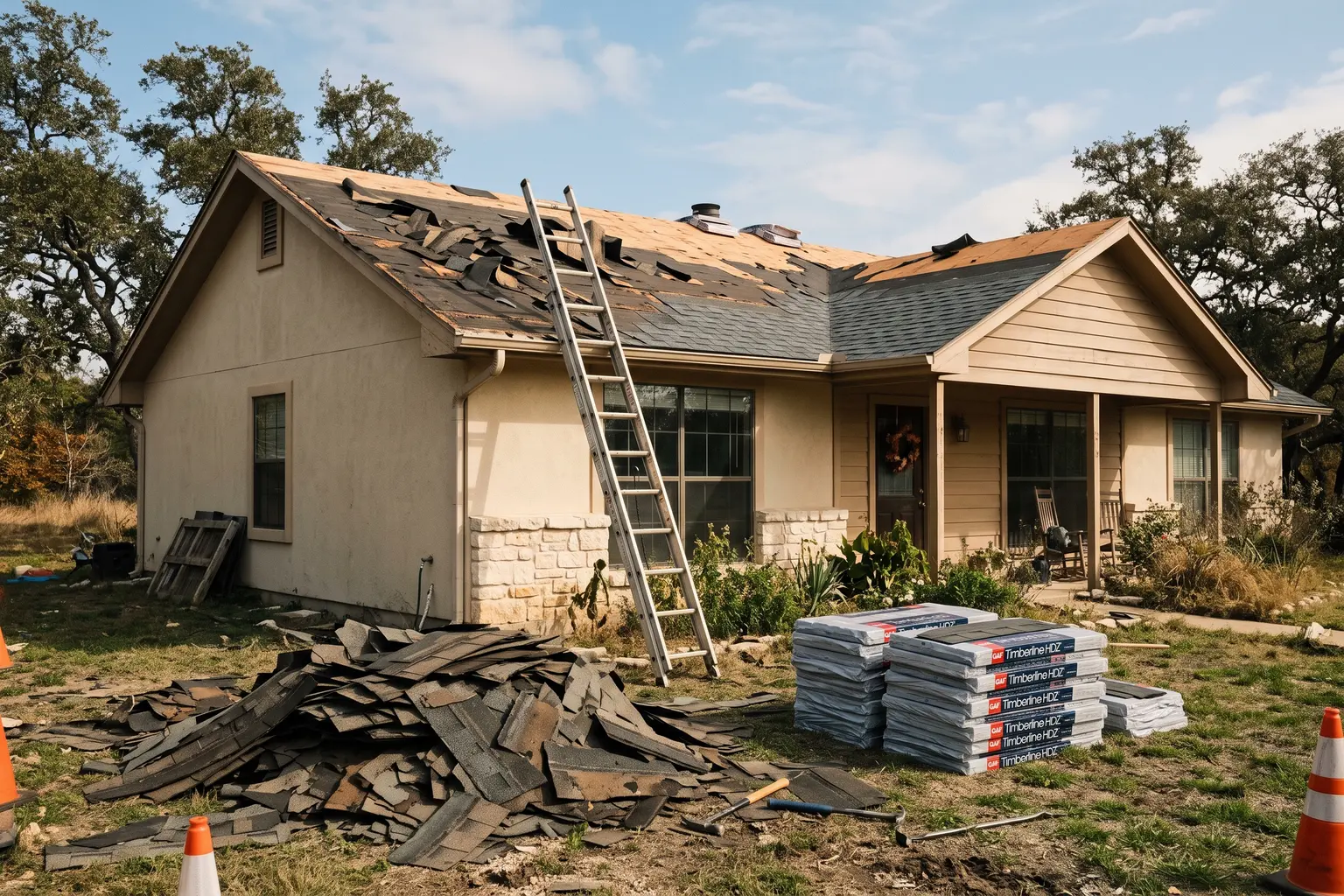
ACV vs Replacement Cost Roof Coverage in Texas
Texas carriers often move roofs past age 10 to actual cash value. In our worked example, that cuts a $22,000 hail payout to $7,600. Here is the math.
Step-by-step how-to guides
Texas carriers often move roofs past age 10 to actual cash value. In our worked example, that cuts a $22,000 hail payout to $7,600. Here is the math.
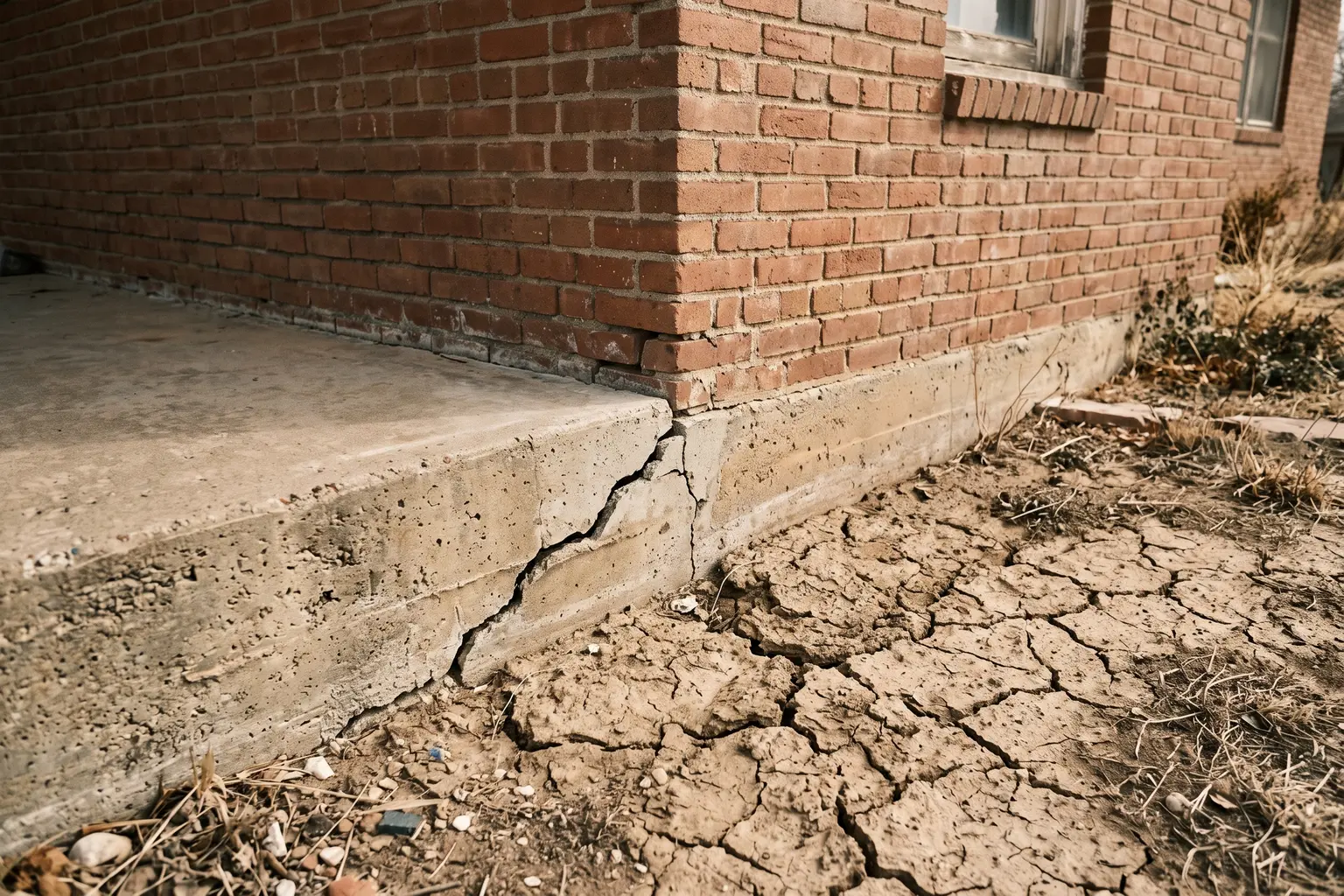
Texas policies exclude foundation settling, but a sudden slab plumbing leak is often covered, with insurer limits around 15% of dwelling coverage.
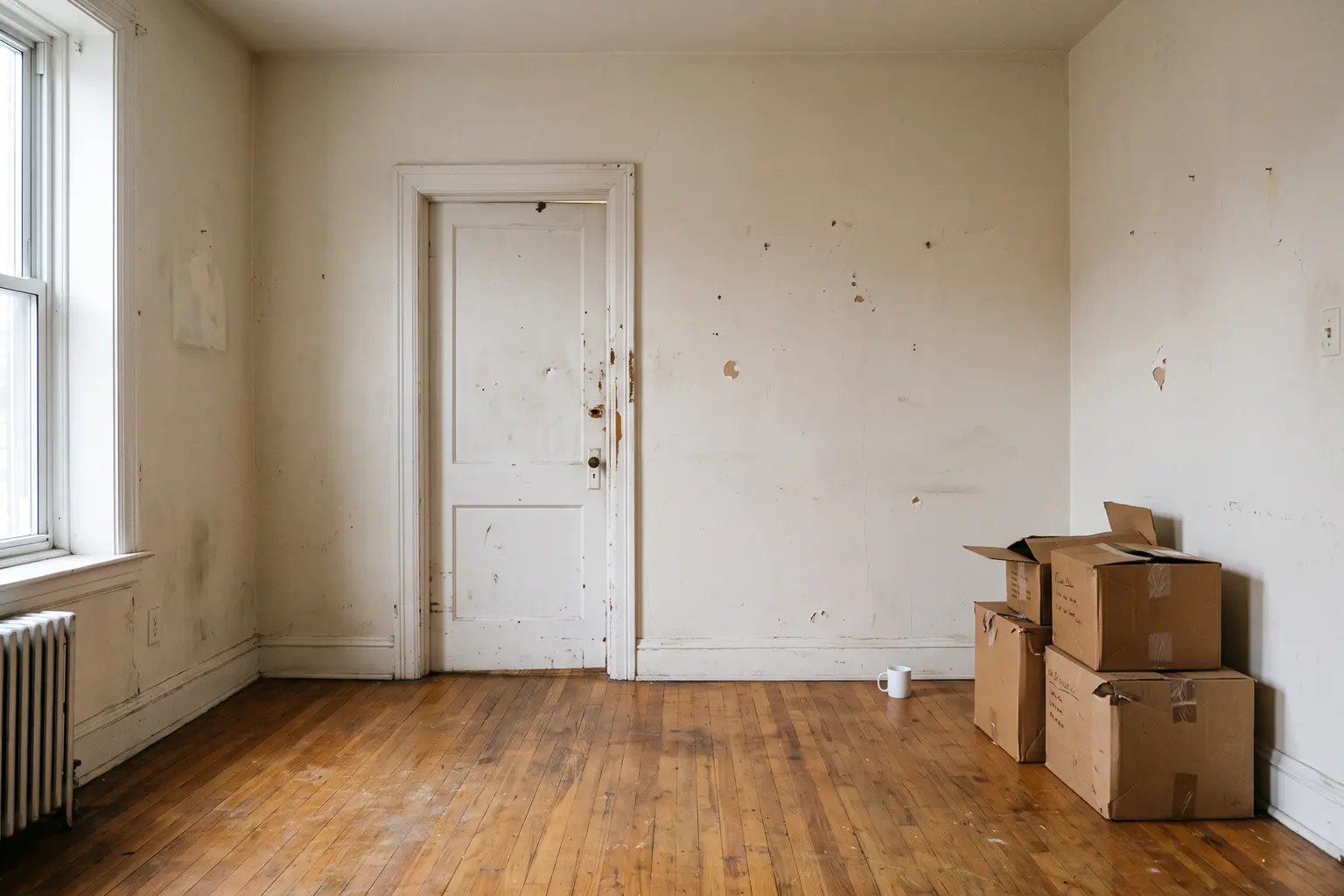
Accidental tenant damage from a covered peril is insured, wear and tear never is, and Texas law lets landlords deduct real damage from the security deposit.
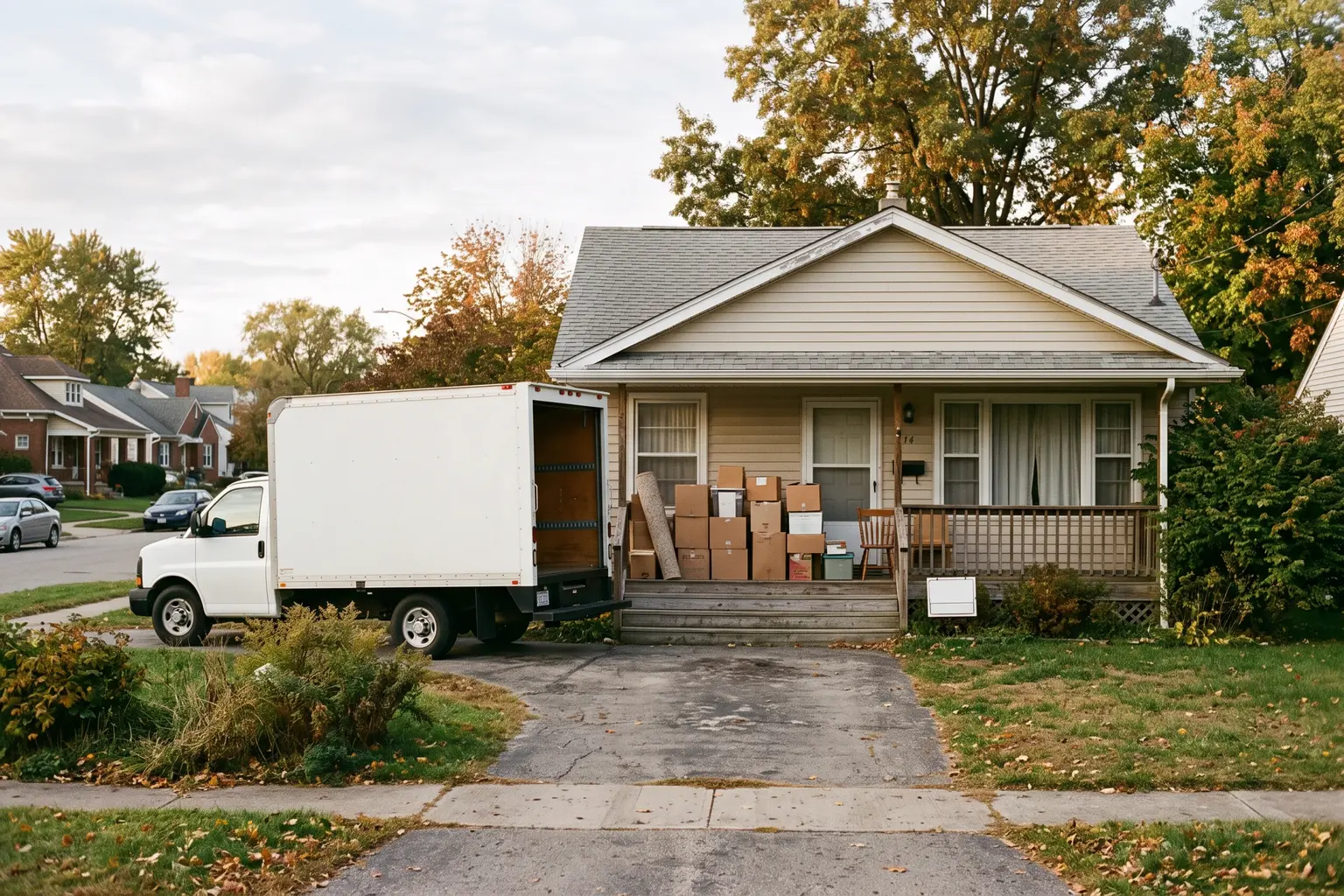
Fair rental value coverage pays market rent, not lease rent, while a covered loss keeps a rental unfit — on a DP-3, up to 20% of the dwelling limit.
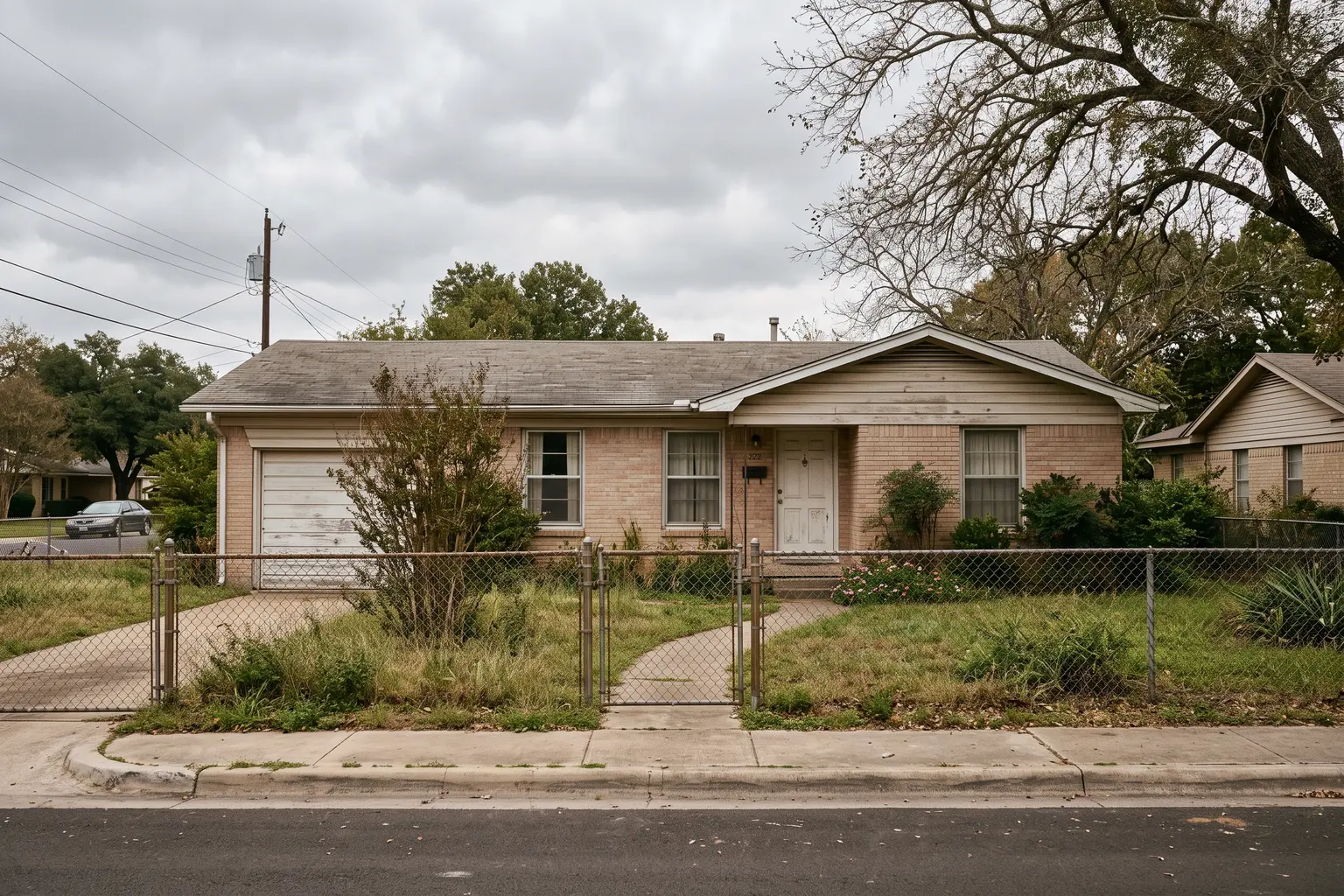
The Texas FAIR Plan grew from 66,512 policies in 2021 to 124,445 in early 2026. Here is what the last-resort policy covers, what it excludes, and how to leave.

A $1 million umbrella runs $150 to $300 a year, but it generally will not cover a rental owned by your LLC. How to layer insurance and entity protection.
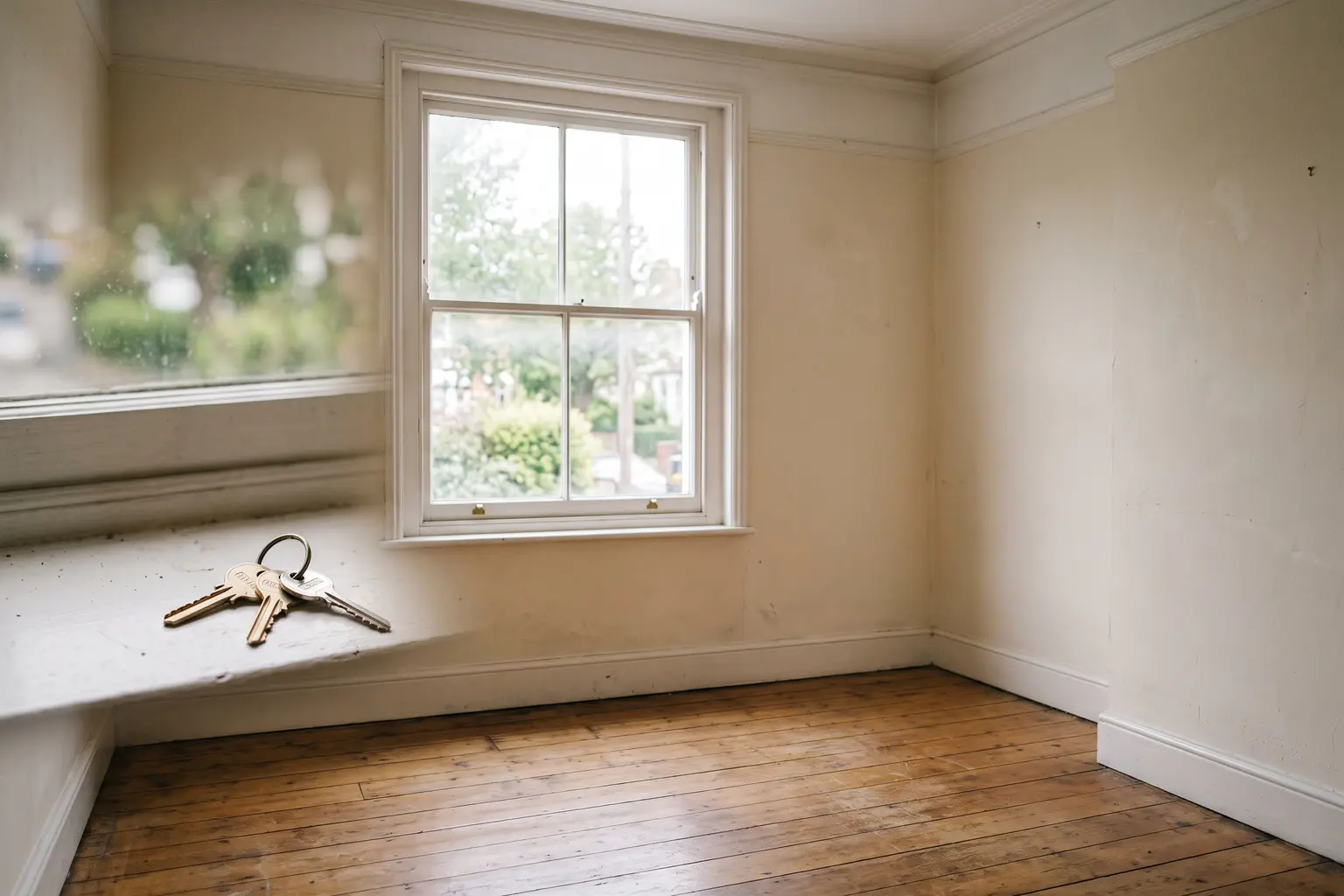
Standard policies cut vandalism, theft, and glass coverage after 60 vacant days. How Texas owners insure homes between tenants, during flips, and in estates.
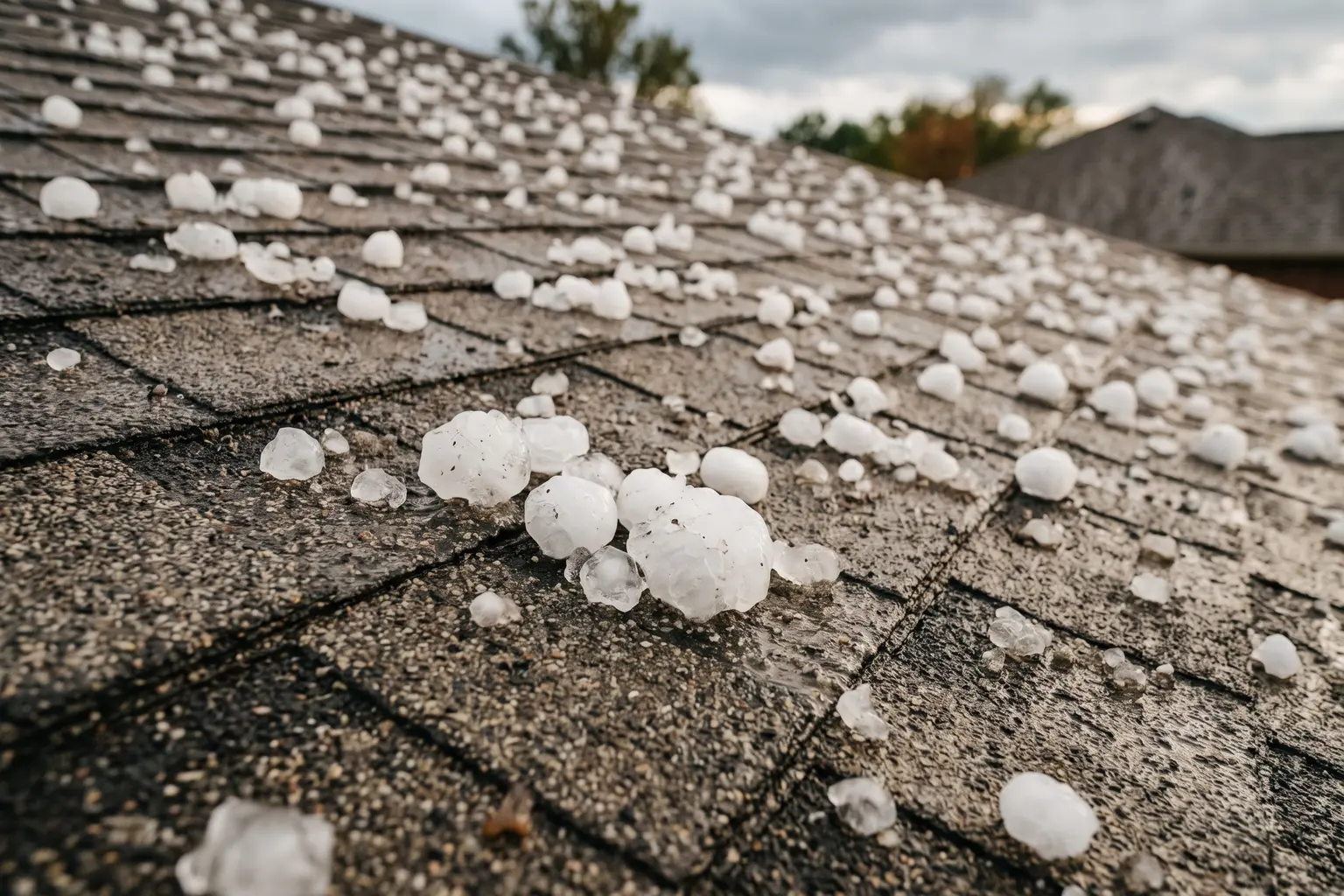
Texas wind and hail deductibles are a percentage of your dwelling coverage, not your claim. Here is what that means in dollars, and how TWIA and roof schedules fit in.
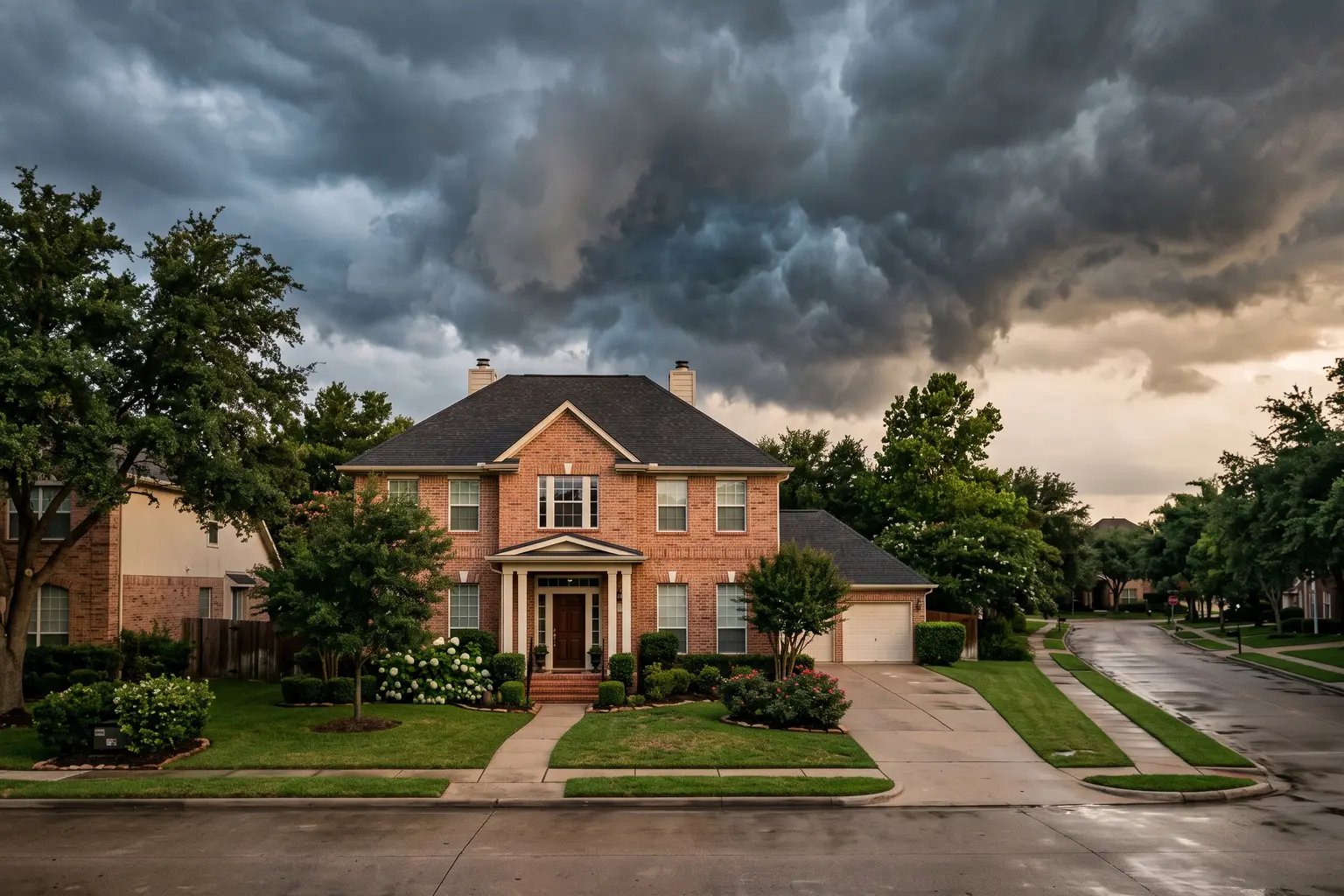
Texas homeowners pay about $4,380 a year on average for home insurance, roughly 50 percent above the national average, and rates are projected to keep climbing in 2026.
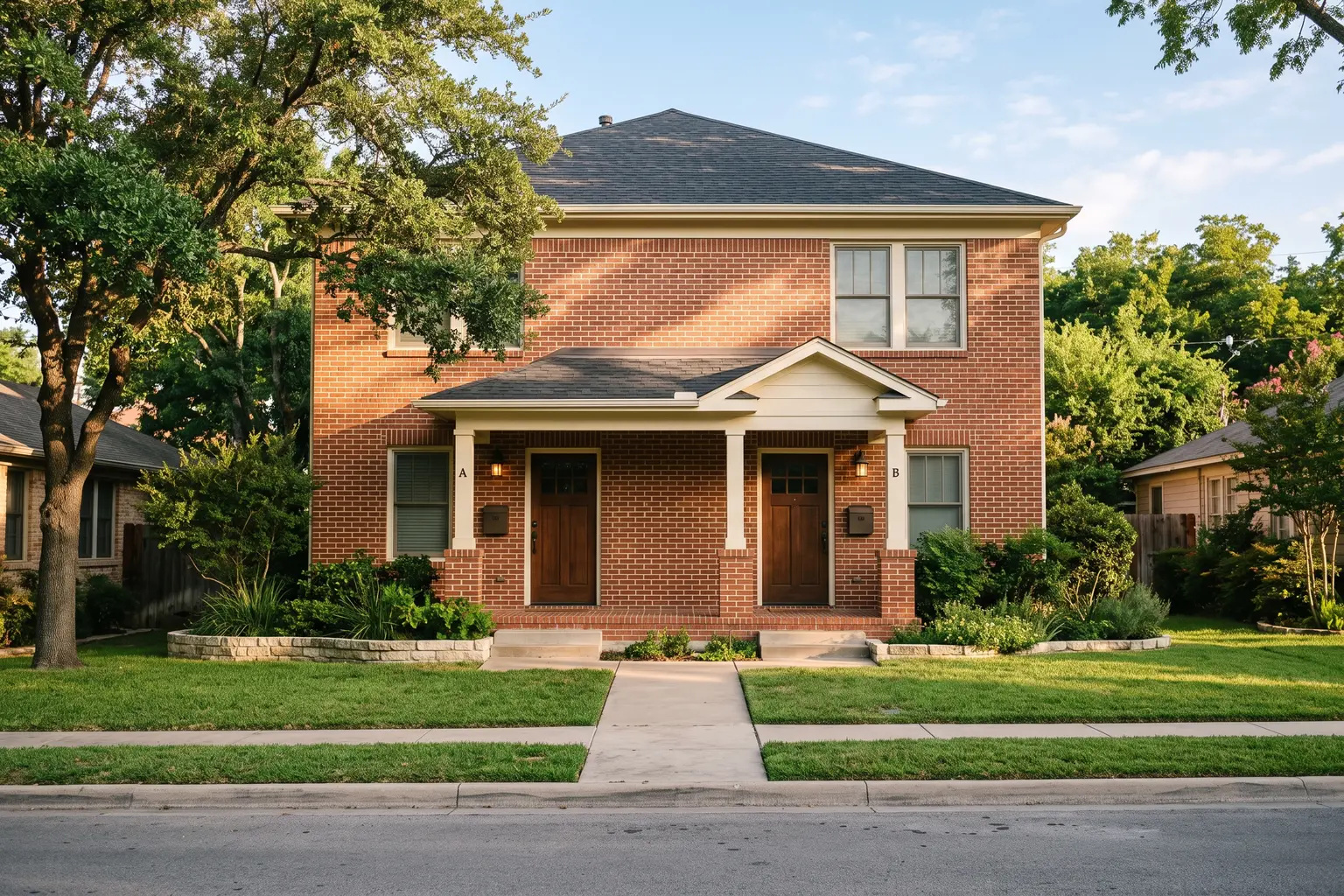
Texas landlord insurance averages $1,584 to $1,714 per year, and this guide explains what a DP-3 policy covers, what it excludes, and how it differs from homeowners insurance.